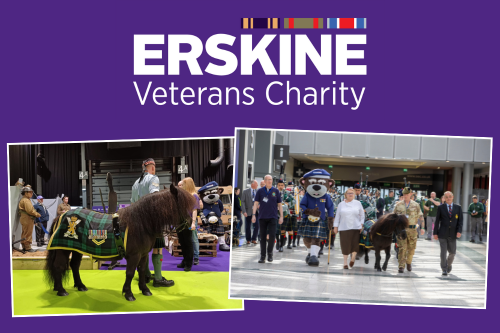
We’re proud to welcome Erskine Veterans Charity back to the show for another inspiring year. Visit their space to discover more about the incredible work they do in providing care, support, and community for Scotland’s Veterans.
Across the weekend, Erskine will be sharing stories, insights, and experiences that shine a light on the lives of those who served. It’s a meaningful opportunity to learn, connect, and celebrate the remarkable resilience and spirit of our Veteran community.
Whether you’re a long-time supporter or discovering Erskine for the first time, be sure to stop by and meet the team. Find out how your support makes a real difference and explore how Erskine continues its century-long mission of caring for Veterans and their families.
Don’t miss this chance to engage with an organisation that remains at the heart of Veteran care in Scotland.
Scan the QR code below if you would like to contribute to Erskine by purchasing items from their shop.

Erskine at Ideal Home Show Scotland 2026
Erskine Veterans Charity is an organisation with a proud heritage and a modern purpose. As they celebrate their 110th birthday this year, they are delighted to once again be chosen as the Charity Partner of the Ideal Home Show Scotland 2026.
They look forward to sharing their remarkable history with you; welcoming performances from Queen Victoria School's Pipes and Drums, showcasing a Royal Navy simulator, introducing you to their mascot Arasgain, and offering you the chance to learn about the veterans they support. Plus there will be many more surprises throughout the show!
Any visitors who would like to mark this special 110th birthday celebration with a gift-in-kind or donation are very welcome to do so. Items can be brought along to their stand, where the Erskine team will be delighted to receive them and share how they will make a difference to the lives of their veterans.
Erskine In the Beginning
Erskine was founded 110 years ago, born from Scotland’s compassionate response to seeing young men physically and mentally shattered by industrial scale warfare in the trenches and on the high seas of the Great War. By the autumn of 1915, there were 2,000 limbless patients with nowhere to go. Medical and prosthetic support was simply not available at the scale required.
The people of Glasgow decided something had to be done – and Erskine was created through public generosity and expertise.
Sir William Macewen, the renowned professor of surgery at the University of Glasgow, known worldwide for advancing surgical procedures, was appointed to lead the establishment of this new specialist hospital for those catastrophically wounded in battle.
He was the perfect choice. His pioneering work had already shown he was undaunted by challenges others believed impossible. His reputation, fearlessness and vision inspired others to join the cause. He brought together a powerful team of surgeons, influential leaders including Glasgow’s Lord Provost Sir Thomas Dunlop and University Principal Sir Donald MacAlister, along with well connected supporters who contributed funds and expertise.
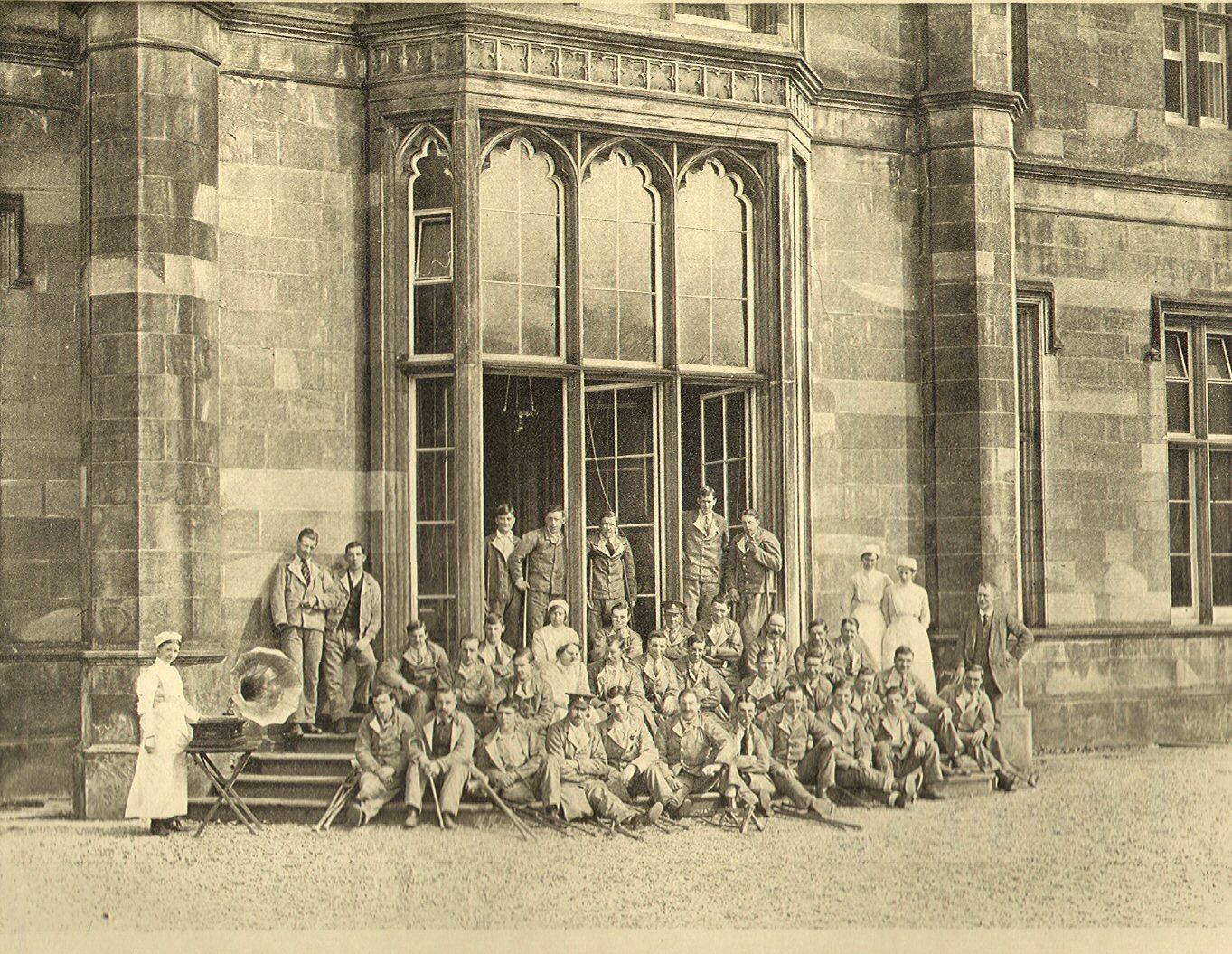
Opening in 1916 as the Princess Louise Scottish Hospital for Limbless Sailors and Soldiers, the hospital began life in the grand surroundings of Erskine House on the south bank of the Clyde at Bishopton. The estate had been generously offered by Thomas Aikman for the duration of the war and twelve months afterwards. Later, Sir John Reid provided the funds to purchase the mansion house, ensuring Erskine could continue as a permanent institution.
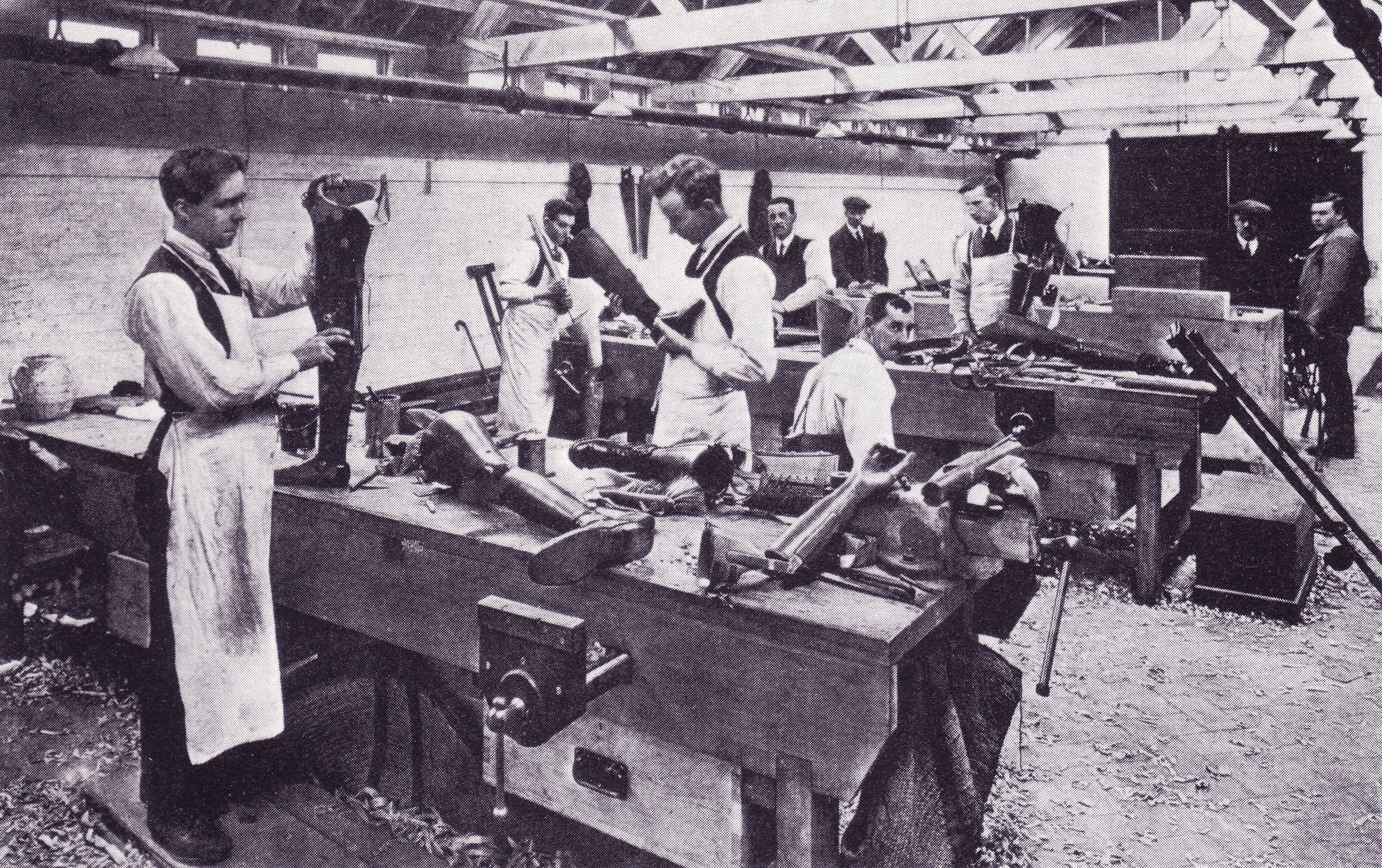
With great ingenuity, Sir William Macewen designed a new prosthetic, known as the Erskine Artificial Limb, working alongside patients and Clydeside shipyard craftsmen. These limbs, described as masterpieces of lightness and simplicity, ranged from the most basic broomstick and wood designs to more advanced models with knee joints or simple feet. Each was carefully fitted using adjustable straps and a thin, pliable wooden “bucket.” Through collaboration with the Clyde yards’ finest engineers and craftsmen, the limbs became lighter without losing strength. Between April 1917 and June 1920, 2,175 feet and ankles were delivered.
Erskine also gave veterans the chance to learn new skills such as limb making, carpentry, basket weaving, gardening, tailoring, and barbering training that helped prepare them for a future in Civvy Street. And in 2026, they proudly continue this commitment at Erskine today.
Erskine Today
Veterans now come to Erskine for many different reasons.
They range in age from their 20s to their 100s. Though separated by generations and far from where they served, when they sit together the camaraderie is golden. The sense of community is extraordinary.
Like all charities, Erskine must live in the present as well as honouring our history. Economic pressures reduced statutory support, and a challenging fundraising landscape are very real. Erskine has adapted to changing demographics - now that there are fewer WWII and National Service veterans, by reducing our overall number of beds to align with demand while expanding our potential to offer care at home and community services across Scotland.
For 110 years, Scottish citizens have instinctively responded to Erskine’s needs. Once a surgical hospital, Erskine always recognised that after medical treatment, rehabilitation, and the chance to regain independence were vital.
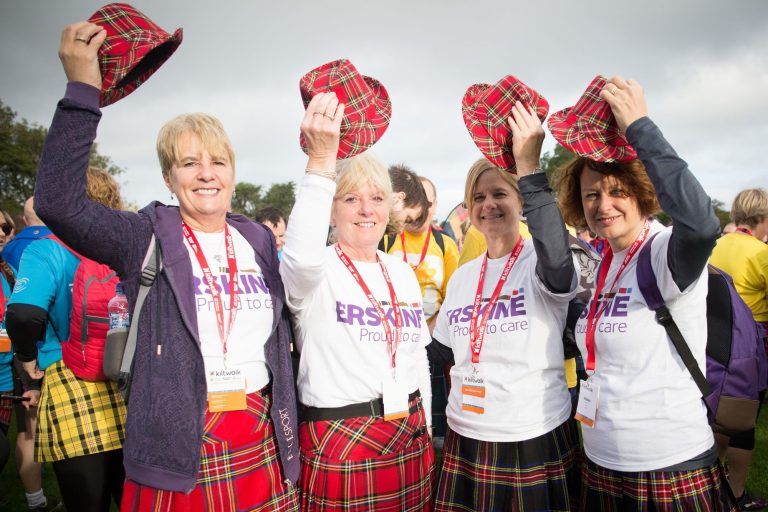
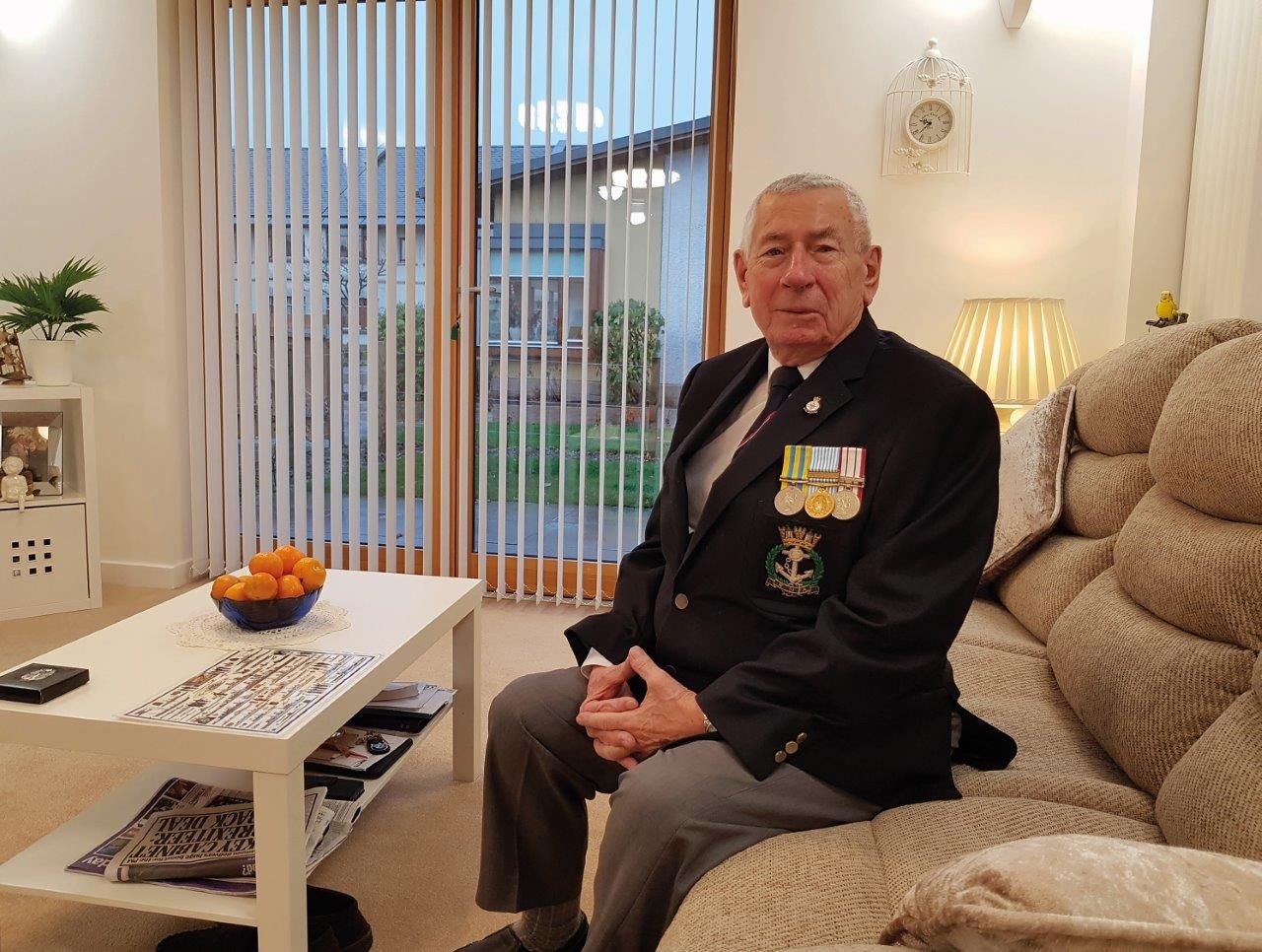
Today, they have found significant success with their community activity hubs, as well as its transitional accommodation programme, which helps younger veterans stabilise their lives.
People want to remain close to family and friends wherever possible. Erskine’s Home Support Service helps veterans maintain independence and dignity within their own homes. Loneliness and isolation are real challenges. Health issues, injuries, bereavement, and ageing can leave veterans facing difficult circumstances alone.
To address this, Erskine looked carefully at where veterans need support most. Building on the success of the Erskine Veterans Activity Centre West (EVACW), they expanded north to Forres in Moray, opening a centre (EVACN) where veterans can rediscover and enjoy everything from art and pottery to digital skills and carpentry. The response has been overwhelming, described as both life‑changing and life‑saving. This model will be replicated across Scotland, with the next location planned for Fife.
Looking Ahead
Throughout its 110 years, Erskine has continually adapted, developing new services and approaches to meet evolving needs while staying firmly focused on the veterans and families they serve. Partnerships across health, housing and the public sector have also strengthened their impact.
A strong foundation is in place. Their focus is on ensuring that services remain responsive, sustainable, and aligned to the needs of veterans and their families for decades to come.
Erskine’s new long term strategy reflects the changing landscape of veterans’ needs in Scotland. It includes a shift toward community‑ based‑ support, earlier intervention, and broader geographic reach, while maintaining our core residential care.
Under this approach, they have combined our two care homes with a wider array of services:
- Transitional supported accommodation
- Assisted living apartments
- Veterans’ activity centres
- Home Support Services
- Veterans’ Cottages
This model enables them to reach more veterans and their families across Scotland, not just near their residential sites.
Scan the QR code below if you would like to contribute to Erskine by purchasing items from their shop.